

There's something uniquely unsettling about spotting a spider scurrying across your living room floor or discovering an intricate web stretching between your ceiling corners. While most household spiders are harmless and even helpful predators that control other insect populations, that knowledge rarely brings comfort when you're face-to-face with eight legs in your bedroom. The good news? Keeping spiders out of your house doesn't require harsh chemicals or constant vigilance—just a smart, layered approach that addresses why they're coming inside in the first place.
How to Keep Spiders Out of Your House by Removing What Attracts Them
Spiders don't enter homes for shelter alone—they follow food sources. Understanding this simple truth transforms how you approach spider prevention. When your home harbors abundant insect prey, spiders will inevitably find their way in to hunt.
Start by controlling moisture throughout your property. Damp basements, leaky pipes, and poorly ventilated bathrooms create ideal conditions for the insects spiders feed upon. Install dehumidifiers in chronically moist areas and repair any plumbing issues promptly. Pay special attention to your home's exterior as well: clogged gutters, overwatered landscaping, and standing water in containers all draw insects close to your foundation.
Outdoor lighting deserves particular scrutiny. Traditional white bulbs positioned near doorways and windows act as beacons for flying insects, which in turn attract hunting spiders. Swap these for yellow or sodium vapor bulbs that are less attractive to insects, or position lights farther from entry points so illumination reaches your walkways without drawing pests directly to doors and windows.
Inside, maintain rigorous cleanliness without becoming obsessive. Regular vacuuming removes both spider webs and the egg sacs that would otherwise hatch dozens of spiderlings. Concentrate on overlooked areas: behind furniture, in ceiling corners, along baseboards, and inside closets. Store food in sealed containers, take garbage out frequently, and immediately clean up crumbs and spills that would feed insect populations.
Seal Every Possible Entry Point
Even the most well-fed spider population outside can't become your indoor problem if they physically cannot enter. Most spiders slip through gaps you'd never notice—cracks as narrow as a credit card's edge provide sufficient passage for many species.
Conduct a thorough perimeter inspection during daylight, preferably after rain when gaps are easier to spot. Examine your foundation for cracks and seal them with appropriate masonry caulk. Check where utility lines, pipes, and cables penetrate your walls; these penetrations often have generous gaps around them that expand and contract with temperature changes. Steel wool combined with caulk creates excellent barriers that spiders cannot chew through.
Windows and doors represent the most obvious—and most frequently neglected—entry points. Replace worn weatherstripping around door frames and install door sweeps where gaps exist beneath exterior doors. Repair torn window screens promptly, and consider adding fine mesh screens to weep holes in brick veneer and to attic vents. Don't forget less obvious openings: chimney flues without proper caps, loose roof shingles, and gaps where soffits meet your home's walls.
Your garage deserves special attention as a common spider staging ground. Many species establish themselves in cluttered garages before gradually migrating into the main living space. Seal the gap between your garage door and floor, install weatherstripping around the door leading into your home, and declutter regularly to eliminate harborage areas.
Landscaping and Exterior Management
The zone immediately surrounding your home significantly influences spider pressure indoors. Vegetation touching your house creates natural bridges that bypass your perimeter defenses entirely. Trim shrubs, tree branches, and climbing vines to maintain at least twelve inches of clearance from walls and rooflines.
Ground cover choices matter more than many homeowners realize. Dense plantings against foundations—especially ivy, juniper, and other thick evergreens—provide ideal spider habitat where temperatures stay moderate and insect prey abounds. Replace these with gravel or mulched beds kept relatively thin, or at minimum maintain significant clearance between vegetation and your walls.
Firewood storage demands strategic thinking. That convenient stack against your exterior wall creates perfect spider habitat and provides direct transportation into your home when you carry logs inside. Store firewood at least twenty feet from your house and elevate it on racks. Always inspect and knock pieces together before bringing them indoors, and never store substantial quantities inside for extended periods.
Consider your home's immediate surroundings from a spider's perspective. Rock walls, decorative boulders, compost bins, and even children's play equipment with hollow spaces all offer shelter. You needn't eliminate these features, but position them thoughtfully and inspect them periodically.
Natural and Low-Impact Deterrents
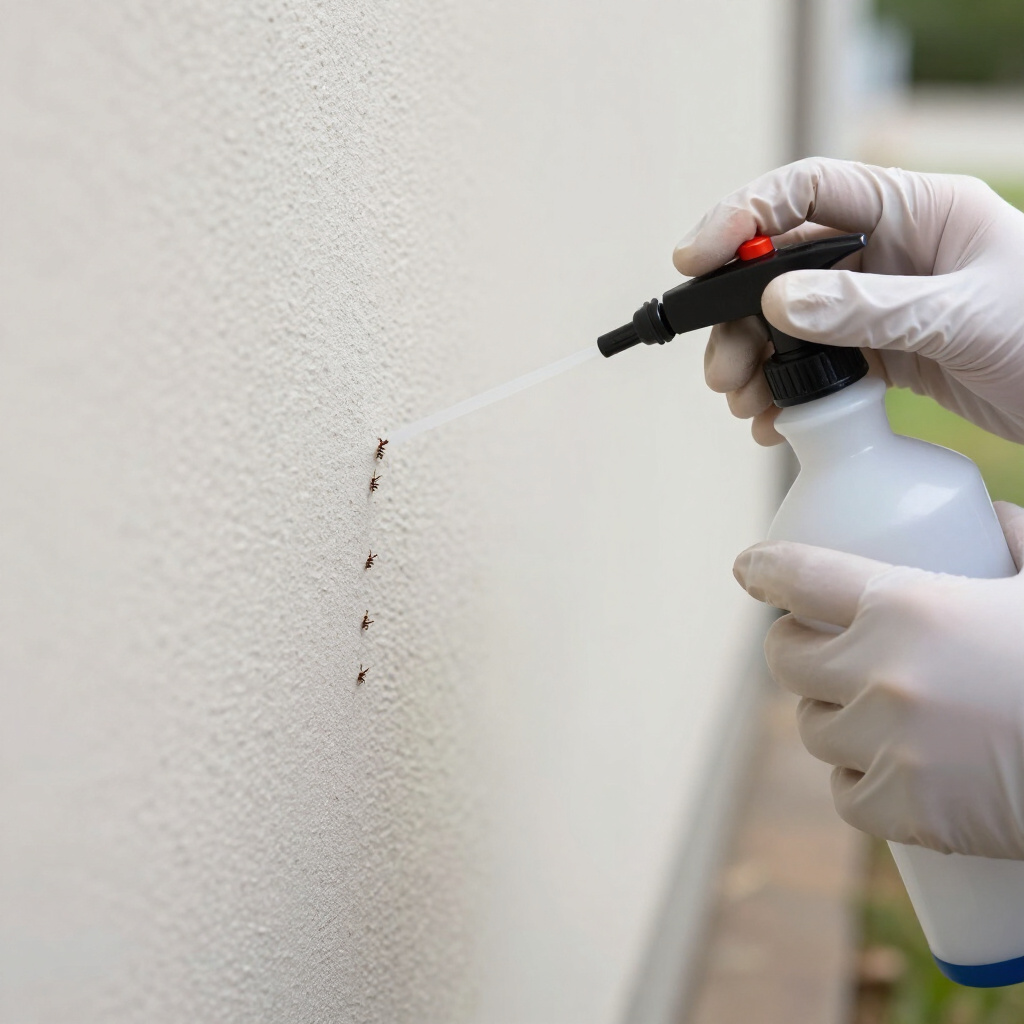
When prevention needs reinforcement, several approaches prove effective without resorting to broad-spectrum chemical treatments. Essential oils, particularly peppermint, tea tree, and citrus varieties, show genuine repellent properties against spiders. Create a diluted spray—approximately fifteen drops per quart of water—and apply to entry points, window sills, and baseboards weekly. The scent fades quickly for humans but remains disruptive to spiders' sensitive chemoreceptors.
Diatomaceous earth provides another low-toxicity option for cracks and crevices where spiders travel. This fine powder abrades the waxy coating on spider exoskeletons, leading to dehydration. Food-grade versions are safe around pets and children, though application should target inaccessible areas to minimize airborne particles.
Sticky traps serve dual purposes: they capture wandering spiders and help you monitor where activity concentrates. Place traps along walls in basements, garages, and undisturbed closets. The pattern of captures reveals which entry points or conditions need your attention most urgently.
For persistent problems or venomous species concerns, professional pest control offers targeted treatments that address both spiders and their prey with minimal environmental impact. Modern integrated pest management approaches emphasize exclusion and habitat modification over routine chemical applications.
Final Thoughts
Learning how to keep spiders out of your house ultimately means thinking like a spider while acting like a homeowner. These ancient arachnids follow predictable patterns: they need prey, access, and shelter. Disrupt any of these requirements substantially and spider presence indoors diminishes dramatically.
The most successful approach combines multiple strategies rather than relying on any single tactic. Seal thoroughly, manage moisture, reduce attractive lighting, modify landscaping, and maintain vigilance with regular cleaning and monitoring. Results accumulate over weeks rather than appearing overnight, but persistence pays dividends in dramatically fewer eight-legged encounters.
Remember that complete spider elimination neither occurs naturally nor serves ecological balance. The goal is management—keeping spider populations low enough that encounters become rare and startling rather than routine. With consistent attention to the principles outlined here, you can reclaim your living spaces while respecting these remarkable creatures' role in the broader environment they inhabit alongside us.