

Few things are more frustrating than turning on your kitchen light at midnight and watching a trail of ants scatter across your countertop. These tiny invaders seem to appear out of nowhere, marching in perfect formation toward the smallest crumb or sticky spot. The good news? You don't have to resign yourself to sharing your home with an ant colony. With a few smart prevention strategies and a little vigilance, you can keep your living spaces ant-free year-round.
How to Prevent Ants From Invading Your Home Starts With Understanding Their Behavior
Ants don't randomly wander into your house—they're on a mission. Worker ants leave their colony in search of food and water, laying down a pheromone trail that acts like a scented highway for their nest-mates to follow. This is why you often see ants traveling in such disciplined lines. Once a scout finds something worthwhile, suddenly you have dozens or hundreds following the same path.
Understanding this behavior is key to prevention. If you only kill the ants you see without addressing the trail or the attraction, more will simply replace them. Effective prevention means breaking this cycle at multiple points: eliminating what draws them, blocking how they enter, and removing the chemical signals that guide them.
Most ant invasions happen during spring and summer when colonies are actively foraging, but some species will seek shelter indoors during heavy rains or cold snaps. Knowing when your risk is highest helps you stay extra vigilant during those windows.
Seal Entry Points Before Ants Find Them
Ants are remarkably resourceful when it comes to finding ways inside. They can squeeze through cracks as thin as a dime, exploit gaps around utility lines, and climb exterior walls to reach windows and vents. A thorough perimeter inspection is one of the most effective investments you can make in ant prevention.
Walk around your home's exterior and examine the foundation, paying special attention to where different materials meet—where siding meets brick, where pipes enter walls, and along window and door frames. Seal any cracks with quality silicone caulk, which remains flexible and durable over time. Replace worn weatherstripping around doors and repair damaged window screens promptly.
Don't overlook vertical access points. Trim tree branches and shrubs so they don't touch your roof or walls, creating natural bridges for ants. Keep mulch and dense vegetation at least a foot away from your foundation if possible, as these provide both cover and moisture that ants prefer.
Inside, check baseboards, electrical outlets, and pipe penetrations in kitchens and bathrooms. These often-overlooked gaps can serve as hidden highways straight to your food sources.
Key Tips for Eliminating What Attracts Ants
Prevention fails fastest when your home offers something worth invading for. Ants are primarily seeking three things: food, water, and sometimes shelter. Controlling these attractions requires consistent daily habits rather than occasional deep cleans.
In the kitchen, store dry goods in airtight containers—not just the obvious suspects like sugar and flour, but also pet food, cereals, and even certain spices. Wipe down counters and sweep floors daily, paying special attention to the areas beneath appliances where crumbs accumulate unnoticed. Don't let dirty dishes sit overnight, and empty your kitchen trash regularly using a bin with a tight-fitting lid.
Moisture control matters enormously. Fix dripping faucets, leaking pipes, and condensation issues under sinks. Ants can survive longer without food than without water, so eliminating reliable water sources makes your home far less hospitable. Check bathrooms, laundry rooms, and basements for dampness that might attract thirsty colonies.
Pet owners should be particularly mindful. Bowls of food and water left out become beacon targets. Consider feeding pets on a schedule rather than free-feeding, and clean up immediately afterward. Store pet food in sealed containers, not in the original bags.
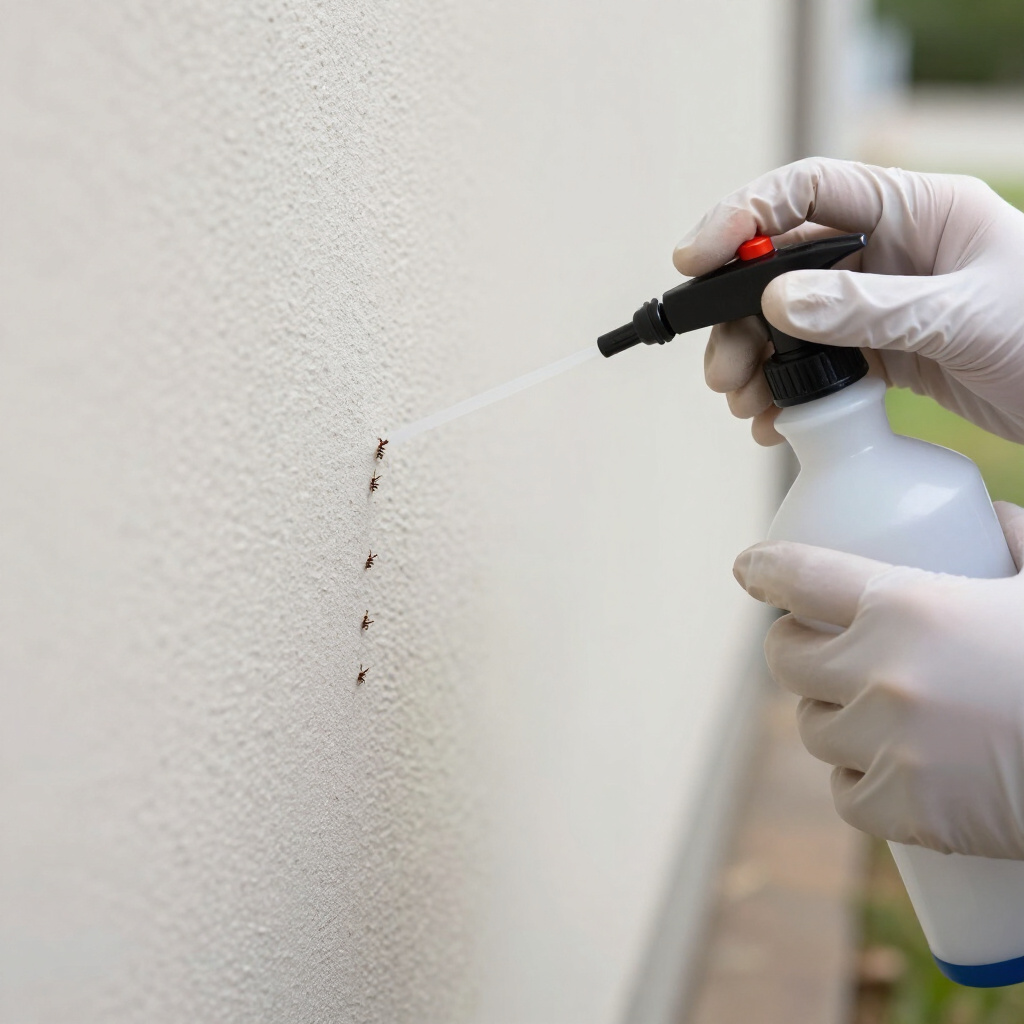
If you spot early scout ants, act quickly. Wipe down the entire trail with soapy water or a vinegar solution to destroy the pheromone markers. This simple step can prevent a minor sighting from becoming a full-blown infestation. Place deterrents like cinnamon, citrus peels, or commercial ant repellents near entry points as additional barriers—though these work best as supplements to, not replacements for, proper sealing and sanitation.
Final Thoughts
Learning how to prevent ants from invading your home isn't about achieving perfection—it's about being consistently one step ahead of these persistent foragers. The most successful approach combines multiple strategies: sealing physical entry points, removing food and water attractions, and disrupting chemical communication trails before they establish.
Prevention will always be easier, less stressful, and more effective than battling an established colony. If despite your best efforts you find yourself facing a persistent ant problem that keeps returning, it may indicate a larger colony nesting in or near your structure. In these cases, professional pest control can identify the species, locate hidden nests, and implement targeted treatments that resolve the issue at its source.
With attention to these fundamentals, you can enjoy your home without unwelcome six-legged guests treating your kitchen like their personal buffet.