
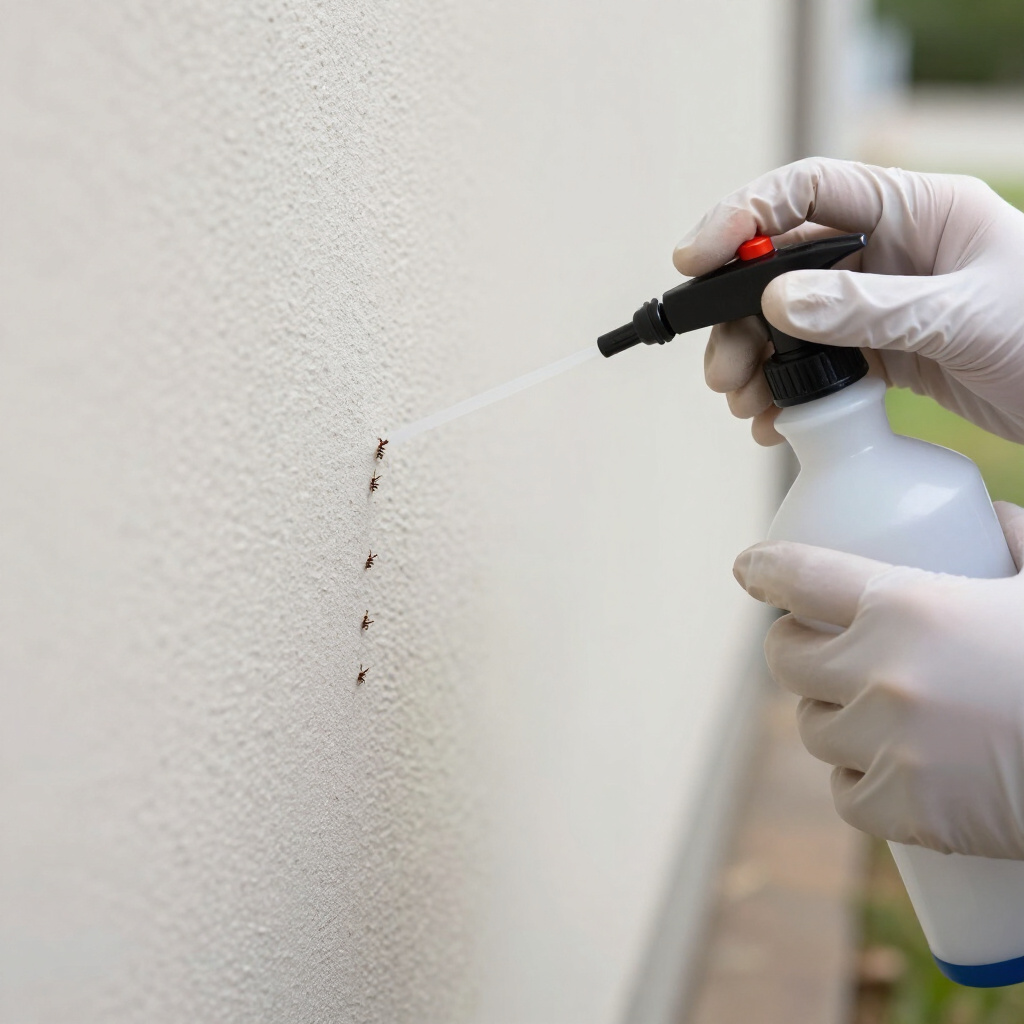

Few things disrupt the comfort of home quite like discovering unwanted visitors in your kitchen, walls, or basement. Whether it's the skitter of tiny feet across the floorboards or mysterious bite marks that appear overnight, household pests can turn your sanctuary into a source of stress. The good news? Most infestations are entirely preventable with the right knowledge and consistent habits. Let's explore the most common household pests and how to prevent them from taking up residence in your space.
Most Common Household Pests and How to Prevent Them
Understanding what you're up against is the first step to effective pest management. Here are the invaders you're most likely to encounter and practical strategies to keep each one at bay.
Ants top the list of household nuisances, particularly during warmer months when they march indoors seeking food and moisture. These persistent foragers can infiltrate through the tiniest cracks and quickly establish scent trails that summon hundreds of followers. Prevention starts with eliminating their incentives: store food in airtight containers, wipe up spills immediately, and clean under appliances where crumbs accumulate. Seal entry points around windows, doors, and utility lines with caulk. For natural deterrence, vinegar solutions disrupt their pheromone trails, though persistent colonies may require professional intervention.
Cockroaches represent one of the most resilient pest challenges, thriving in warm, humid environments with access to food and water. These nocturnal insects pose health concerns by spreading bacteria and triggering allergies. Effective prevention demands meticulous sanitation—fix leaky faucets, empty pet water bowls overnight, and avoid leaving dirty dishes in the sink. Reduce clutter where roaches hide, particularly cardboard boxes and paper stacks. In multi-unit buildings, seal gaps around pipes and electrical outlets that connect to neighboring units, as infestations easily spread between apartments.
Rodents including mice and rats seek shelter indoors as temperatures drop, squeezing through openings as small as a dime. Beyond the unsettling noise of nighttime activity, rodents damage property by gnawing wires and insulation, creating fire hazards. They also contaminate food and surfaces with droppings. Prevent access by inspecting your home's exterior for gaps and holes, sealing them with steel wool and caulk or concrete for larger openings. Trim tree branches away from rooflines, store firewood at least twenty feet from your foundation, and maintain tidy storage areas where rodents might nest. Snap traps and bait stations work for minor issues, but recurring problems signal the need for comprehensive exclusion work.
Termites operate silently and destructively, often causing significant structural damage before detection. Subterranean varieties build mud tubes along foundations, while drywood termites infest furniture and framing directly. Prevention focuses on moisture control: maintain proper drainage around your foundation, repair leaking gutters promptly, and ensure adequate ventilation in crawl spaces and attics. Remove wood-to-soil contact wherever possible, including stacked lumber or mulch piled against your home. Annual professional inspections prove invaluable for early detection, particularly in regions where termite pressure runs high.
Bed bugs have resurged dramatically in recent decades, hitchhiking into homes via luggage, used furniture, and clothing. These nocturnal parasites feed on human blood, leaving itchy welts and causing significant psychological distress. Prevention requires vigilance: inspect hotel rooms before settling in, keeping luggage elevated on racks. After travel, launder clothing on high heat and vacuum suitcases. Exercise extreme caution with secondhand furniture—examine seams, crevices, and tags for telltale rust-colored spots or shed skins. Bed bug interceptors placed under bed legs help monitor for early presence, but confirmed infestations demand professional heat or chemical treatment.
Spiders generally benefit homes by controlling other insect populations, yet species like black widows and brown recluses warrant caution due to venomous bites. Most spiders enter pursuing prey, so reducing other insects naturally diminishes spider presence. Remove webs promptly, seal cracks around doors and windows, and manage outdoor lighting that attracts the insects spiders feed on. Keep vegetation trimmed back from your home's perimeter, and store firewood outdoors until needed.
Universal Prevention Strategies That Protect Against Multiple Pests
Certain foundational practices strengthen your defense across pest categories. Maintain rigorous cleanliness routines—regular vacuuming, prompt food cleanup, and proper garbage storage with tight-fitting lids. Address moisture issues comprehensively, from repairing leaks to running dehumidifiers in damp basements. Store pantry items in glass or hard plastic containers rather than original packaging that pests easily penetrate.
Your home's exterior deserves equal attention. Install door sweeps and repair damaged screens. Ensure proper grading directs water away from your foundation. Consider professional perimeter treatments that create protective barriers, particularly in areas with high pest pressure or for homes with histories of infestation.
Landscape choices matter significantly. Overgrown shrubs touching your home provide bridges for pests, while certain mulches retain moisture that attracts termites. Maintain buffer zones between plantings and your foundation, and select pest-resistant materials where practical.
Key Tips for Ongoing Pest Management
Consistency separates effective pest prevention from reactive scrambling. Establish seasonal inspection routines—check for new cracks each spring before activity peaks, and prepare defenses before fall when rodents seek winter shelter. Monitor for early warning signs: droppings, gnaw marks, shed wings, or unusual odors often indicate problems before populations explode.
Know when DIY approaches suffice and when professional expertise becomes essential. Isolated ants or occasional spiders typically respond to home management, but established infestations, structural pests like termites, or health-threatening species warrant expert assessment. Professional pest control services offer targeted treatments, ongoing monitoring, and guarantees that provide genuine peace of mind.
Finally, resist the temptation to ignore minor sightings. A single mouse or few ants signal conditions conducive to larger problems. Addressing issues promptly prevents the exponential growth that makes elimination exponentially more difficult and expensive.
Final Thoughts
Protecting your home from pests combines vigilance, preventative maintenance, and informed response to early signals. The most common household pests and how to prevent them share common threads: eliminate food sources, restrict access, control moisture, and maintain consistent habits. While no home achieves perfect immunity, implementing these strategies dramatically reduces your risk and preserves the comfort and safety of your living space. When prevention falls short, partnering with qualified pest control professionals ensures problems resolve thoroughly rather than lingering to resurface. Your home deserves that protection—invest the effort upfront, and enjoy the lasting rewards of a genuinely pest-free environment.