
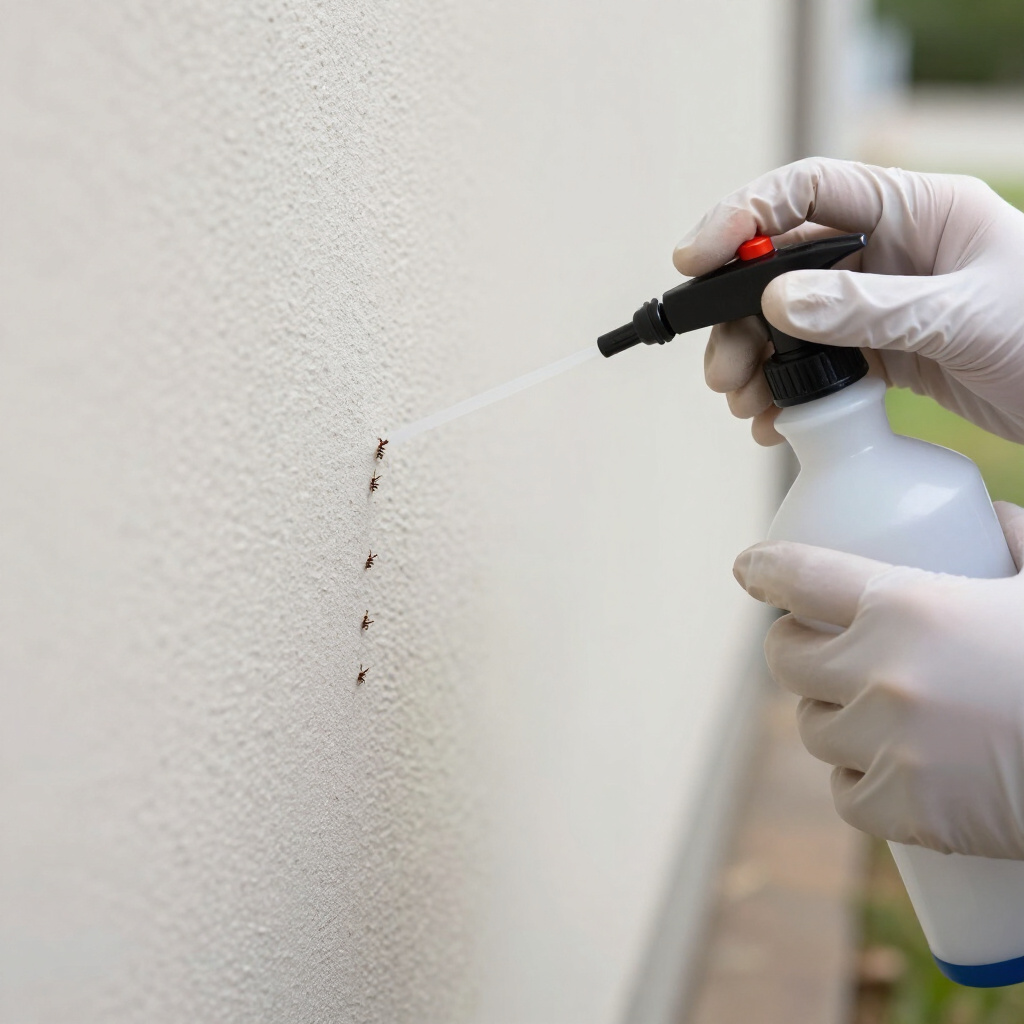
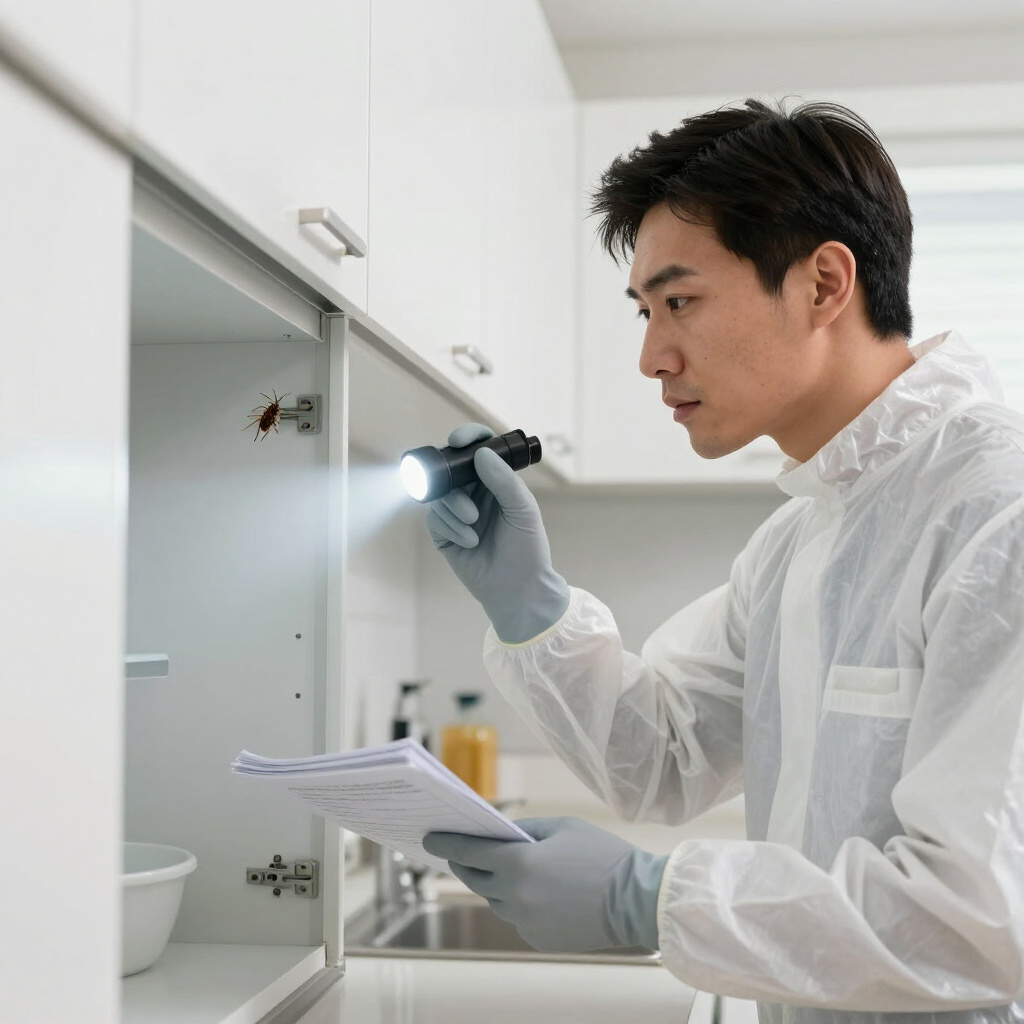
When ants march across your kitchen counter or aphids cluster on your tomato plants, reaching for harsh chemicals isn't your only option. Natural pest control methods have earned their place in modern home management, offering effective solutions that protect your family, pets, and the environment. Whether you're dealing with indoor invaders or garden pests, these proven approaches can help you reclaim your space without resorting to synthetic pesticides.
Natural Pest Control Methods That Actually Work in Your Home
The foundation of successful natural pest management starts with understanding what attracts pests in the first place. Food crumbs, standing water, and accessible entry points invite problems that no spray can fully solve. Begin by sealing cracks around windows and doors, storing dry goods in airtight containers, and fixing leaky pipes promptly.
For active infestations, several natural approaches deliver reliable results. Diatomaceous earth, a powder made from fossilized algae, works mechanically rather than chemically. When crawling insects contact this fine substance, it damages their exoskeletons and causes dehydration. Sprinkle food-grade diatomaceous earth along baseboards, behind appliances, and in other pest pathways. Reapply after vacuuming or if the area becomes damp, as moisture reduces its effectiveness.
Boric acid remains another household staple with decades of proven use. This naturally occurring compound disrupts insect digestion and nervous systems. Mix boric acid with a small amount of sugar water to create bait stations for ants and cockroaches. Place these where pets and children cannot access them, as boric acid requires careful handling despite its natural origins.
Essential oils offer aromatic alternatives for repelling specific pests. Peppermint oil particularly deters spiders and mice when diluted with water and sprayed around entry points. Tea tree oil and eucalyptus demonstrate effectiveness against certain insects. However, essential oils require more frequent reapplication than conventional products and work best as deterrents rather than elimination methods.
Proven Natural Solutions for Garden and Outdoor Pests
Your outdoor spaces benefit equally from thoughtful natural interventions. Manual removal remains surprisingly effective for visible pests like Japanese beetles, tomato hornworms, and squash bugs. Drop these invaders into a bucket of soapy water during early morning hours when they move slowly. This simple practice, performed consistently, prevents population explosions without any products whatsoever.
Beneficial insects serve as living pest control agents. Ladybugs voraciously consume aphids, mealybugs, and mites. Lacewing larvae attack similar prey with equal enthusiasm. Praying mantises handle larger insects including caterpillars and beetles. Attract these allies by planting dill, fennel, yarrow, and other umbrella-shaped flowers that provide nectar and pollen. Avoid broad-spectrum sprays of any kind, as these harm beneficial populations alongside pests.
Neem oil, extracted from the seeds of the neem tree, disrupts insect feeding and growth patterns. This botanical oil works against aphids, whiteflies, spider mites, and many other common garden pests. Apply neem oil during cooler evening hours to prevent leaf burn, and note that it affects beneficial insects on contact as well, so targeted application matters.
Row covers provide physical protection that excludes pests entirely. Lightweight floating fabric draped over vegetable beds prevents cabbage moths, flea beetles, and other flying insects from reaching plants. Remove covers during flowering periods for crops requiring pollination, then replace them promptly.
Companion planting leverages natural relationships between species. Marigolds release compounds from their roots that repel nematodes in soil. Nasturtiums act as trap crops, drawing aphids away from valuable vegetables. Basil planted near tomatoes may reduce hornworm pressure. These time-tested combinations require planning but reward gardeners with reduced pest pressure season after season.
Key Tips for Maximizing Natural Pest Control Success
Natural methods demand patience and persistence that chemical shortcuts bypass. Start interventions at the first sign of trouble rather than waiting for full-blown infestations. Monitor your home and garden regularly, as early detection makes all approaches more manageable.
Combine multiple methods rather than relying on single solutions. Diatomaceous earth at entry points plus proper food storage plus moisture control creates layered protection that no single tactic achieves alone. In gardens, integrate physical barriers, beneficial insects, and botanical treatments for comprehensive management.
Understand that "natural" does not mean "harmless to everything." Even food-grade diatomaceous earth irritates lungs when inhaled. Concentrated essential oils can damage skin or harm pets. Handle all products with appropriate care, following label directions for application rates and safety precautions.
Accept some pest presence as normal and even beneficial. A few aphids sustain ladybug populations. Minor leaf damage rarely threatens plant survival. Natural pest control aims for management below damaging thresholds rather than total elimination, which supports healthier overall ecosystems.
Document what works in your specific situation. Climate, local pest species, and individual property characteristics influence results. Keep notes about timing, products, and outcomes to refine your approach each season.
Final Thoughts
Natural pest control methods that actually work require shifting expectations and embracing prevention. The most successful practitioners combine vigilance with multiple integrated tactics, adjusting based on observation rather than expecting instant eradication. Your efforts build healthier indoor environments and more resilient gardens over time.
When natural approaches prove insufficient for serious infestations, professional pest control services can apply targeted treatments while minimizing broader environmental impact. The goal remains protecting your home and health through the most appropriate methods available, with natural solutions serving as valuable tools in your ongoing pest management strategy.