
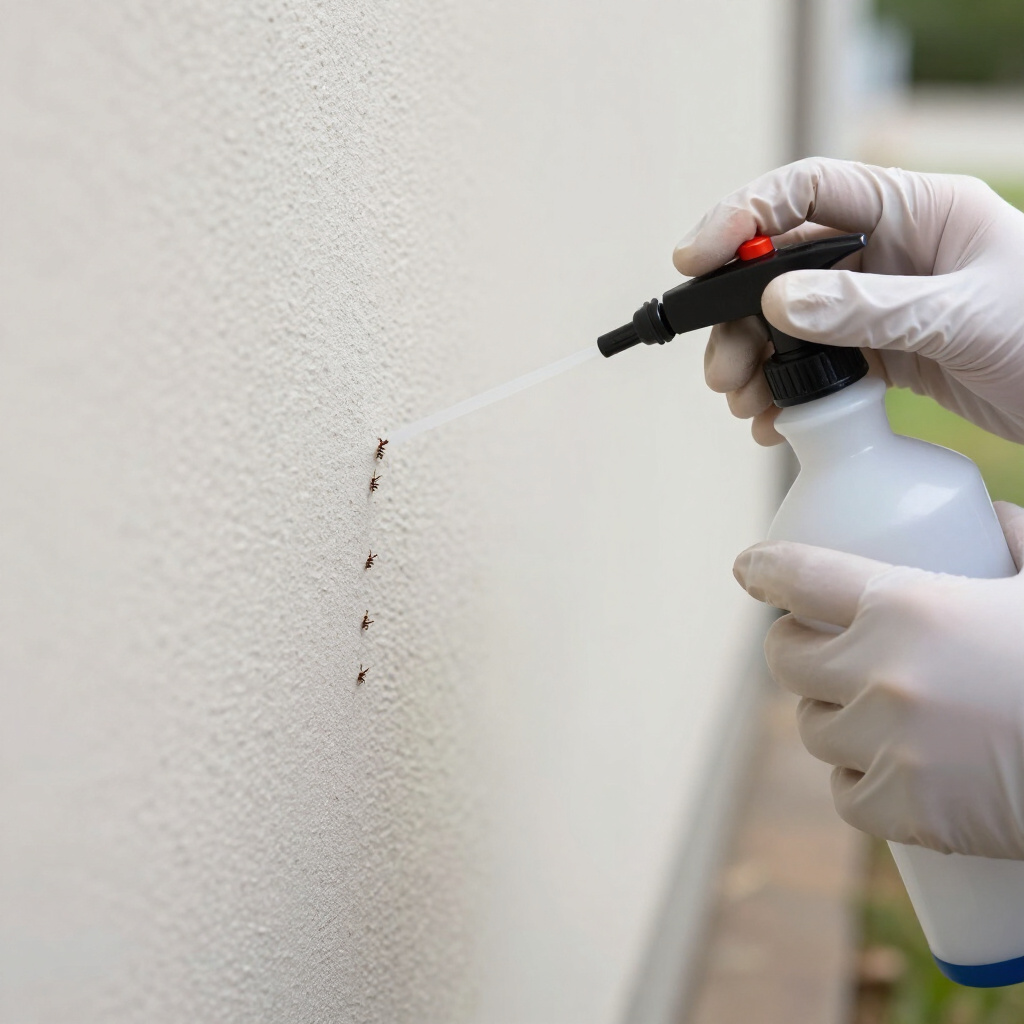

Pests don't take a vacation, and neither should your home defense strategy. As the seasons shift, so do the types of unwanted visitors trying to make their way indoors. A proactive, season-by-season approach to pest control keeps your home protected year-round while reducing the need for reactive treatments. Whether you're dealing with spring's ant invasions or winter's rodent seekers, this seasonal pest control checklist will help you stay one step ahead of nature's most persistent intruders.
Spring Pest Control: Awakening Pests and Early Prevention
As temperatures rise and dormant landscapes come back to life, pests emerge from their winter hiding spots with renewed energy. Ants begin forging new trails, termites swarm to establish colonies, and mosquitoes start laying eggs in standing water. This is the critical season for laying groundwork that protects your home through the warmer months. Start your spring pest control routine with a thorough exterior inspection. Check your foundation for cracks and seal any openings larger than a quarter inch—this simple step blocks access for ants, spiders, and rodents alike. Clean your gutters thoroughly; clogged drainage creates ideal breeding conditions for mosquitoes and attracts moisture-loving pests like silverfish and earwigs. Trim back vegetation so no branches touch your home's exterior. Overhanging limbs serve as highways for carpenter ants and other climbing insects. Inside, inspect under sinks and around appliances for leaks, since water damage and moisture attract a wide variety of pests. Consider scheduling a professional termite inspection during this window, as early detection prevents costly structural damage down the line.
Summer Pest Control: Peak Activity and Vigilant Monitoring
Summer brings the highest pest activity of the year, with warm temperatures accelerating breeding cycles and extending foraging hours. Wasps and hornets build nests in eaves and overhangs, fleas and ticks thrive in tall grass, and pantry pests like Indian meal moths take advantage of open windows and frequent door traffic. Your summer pest control focus should center on exclusion and environmental management. Install or repair screens on all windows and doors, paying special attention to tears and loose framing. Maintain a strict garbage routine—use sealed containers and keep outdoor bins away from your home's walls. The combination of food waste and summer heat creates irresistible conditions for flies, roaches, and rodents. For your yard, mow regularly and keep grass at recommended heights to reduce tick and flea habitat. Eliminate all standing water sources, including birdbaths, plant saucers, and kiddie pools that aren't in active use. If you have fruit trees or vegetable gardens, harvest promptly and remove fallen produce before it attracts wasps, beetles, and rodents. Inspect your attic and crawl spaces for signs of wasp nest construction. Catching these early, when nests are golf-ball sized, allows for safer removal before populations explode. If you spot stinging insect activity near entry points, contact a professional rather than attempting DIY removal—aggressive species pose genuine safety risks during peak summer.
Fall Pest Control: The Invasion Window
Fall represents perhaps the most crucial season for pest control as temperatures drop and multiple species actively seek winter shelter. Rodents, stink bugs, boxelder bugs, and cluster flies all recognize shortening days as their signal to move indoors. Without preventive action, your home becomes their destination of choice. Begin fall preparations by conducting another detailed exterior inspection, this time with particular attention to higher entry points. Rodents are excellent climbers and can exploit gaps around roof vents, chimney flashing, and utility penetrations. Seal these with appropriate materials—steel wool for small gaps, metal flashing or concrete for larger openings, and quality caulk for seams and joints. Store firewood at least twenty feet from your home and elevate it off the ground. Woodpiles harbor rodents, spiders, and overwintering insects that readily transition indoors when conditions turn cold. Inside, declutter storage areas where pests could nest undisturbed, and inspect stored holiday decorations before bringing them into living spaces—these often harbor spiders and silverfish. Install door sweeps on exterior doors and repair damaged weatherstripping around windows. These simple mechanical barriers block countless fall invaders while improving your home's energy efficiency. If you've experienced rodent issues previously, place snap traps in attic and basement areas before activity peaks, using peanut butter or hazelnut spread as attractive bait.
Winter Pest Control: Hidden Threats and Indoor Vigilance
Winter might seem quiet on the pest front, but the activity simply moves out of sight. Rodents that entered in fall now nest in wall voids and attics, cockroaches remain active in warm kitchen areas, and bed bugs continue feeding regardless of outdoor temperatures. Your seasonal pest control efforts now shift to detection and indoor management. Maintain your vigilance with regular inspections of less-frequented spaces. Check attic insulation for tunneling or nesting material, listen for scratching or scurrying sounds in walls during quiet evening hours, and monitor pantry goods for webbing or infestation signs. The earlier you detect winter pest activity, the easier and less expensive the resolution. Continue managing moisture, even in heated homes. Humid basements support silverfish, springtails, and mold mites, while condensation around windows creates conditions for fungus gnats. Run dehumidifiers in damp areas and ensure bathroom exhaust fans vent properly to the exterior. This slower season also offers the perfect opportunity for major prevention projects. Schedule professional crawl space encapsulation, repair foundation damage, or upgrade insulation while pest pressure is lowest. These improvements pay dividends across all future seasons.
Year-Round Habits That Support Seasonal Efforts
The most effective pest control combines seasonal action with consistent daily practices. Store all food, including pet food and birdseed, in sealed containers of glass, metal, or thick plastic. Keep countertops clean and sweep floors regularly, eliminating the crumbs and residues that attract foraging pests. Address plumbing leaks promptly—water availability often matters more to pest survival than food access. Maintain a professional pest control partnership for routine perimeter treatments and expert inspections. Trained technicians recognize early warning signs that homeowners miss, and their preventive applications create protective barriers during high-pressure seasons. Document your seasonal activities and any pest sightings to identify patterns and refine your approach over time.
Final Thoughts
Effective pest control isn't a single treatment or seasonal event—it's a continuous commitment that adapts to nature's rhythms. By working through this seasonal pest control checklist each year, you transform your home from an attractive target into a well-defended sanctuary. The time invested in spring preparation, summer vigilance, fall exclusion, and winter monitoring pays off in protected property values, healthier living conditions, and genuine peace of mind. Start with the season you're in today, build the habits that support long-term success, and enjoy a home that stays truly yours throughout every month of the year.