
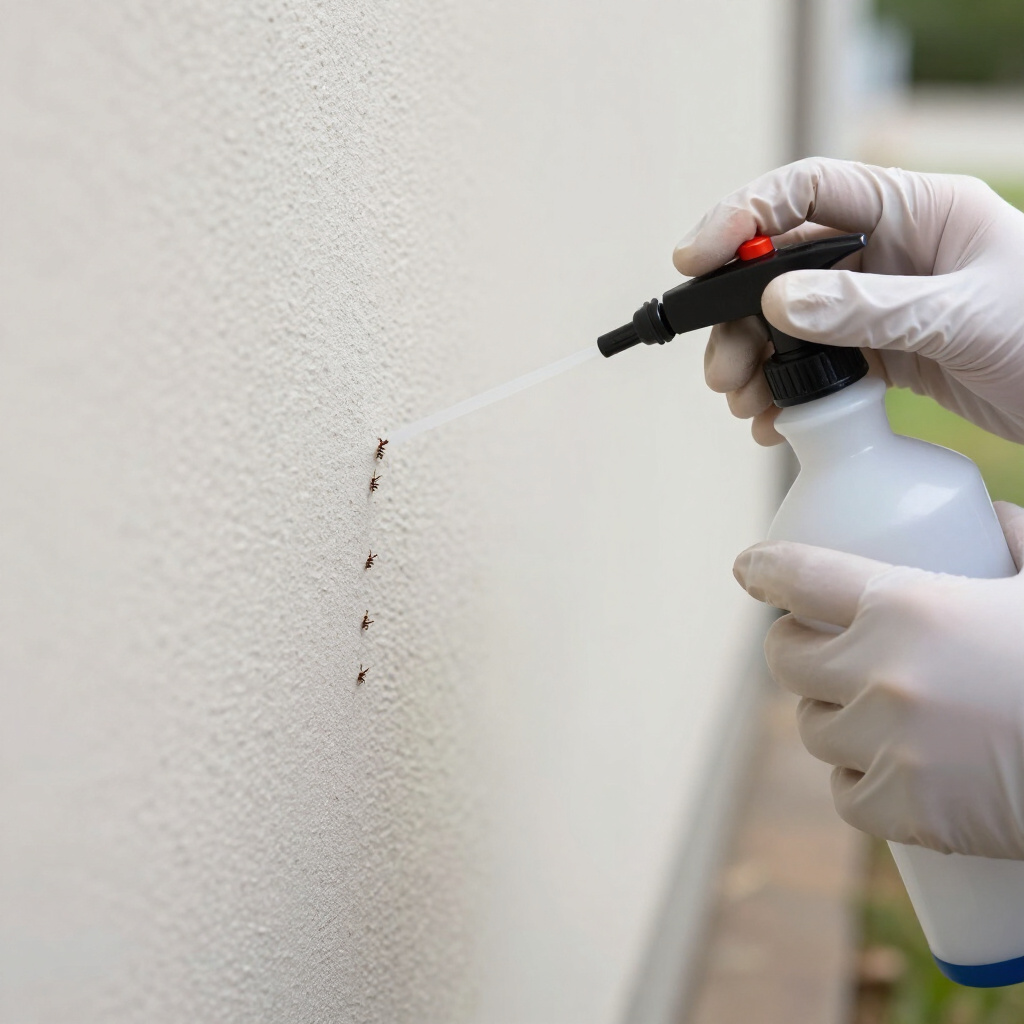

Termites are often called "silent destroyers" for good reason. These tiny pests can chew through wood, flooring, and even wallpaper undetected for months or years. By the time most homeowners notice signs of termites, significant damage may already be done. Knowing what to look for can help you catch an infestation early and protect your biggest investment—your home.
Common Signs You May Have Termites
Termites leave behind subtle clues if you know where to look. Here are the most telling indicators that these destructive insects may have moved in.
Mud tubes on exterior walls. Subterranean termites, the most common type in the United States, build pencil-thin mud tubes to travel between their underground colony and food sources. These tubes protect them from predators and prevent dehydration. Check your foundation, crawl spaces, and exterior walls—especially near the ground—for these distinctive tunnels. Breaking open a mud tube and finding live, creamy-white insects confirms active termites.
Hollow-sounding wood. Tap on baseboards, window sills, door frames, and wooden floors with the handle of a screwdriver. Healthy wood sounds solid. If you hear a hollow or papery thunk, termites may have eaten the interior while leaving a thin veneer intact. Severely damaged wood may even crumble when prodded.
Discarded wings near windows and doors. Reproductive termites, called swarmers, emerge in spring to mate and establish new colonies. After their brief flight, they shed their wings. Finding piles of translucent, equal-sized wings on windowsills, near light fixtures, or in spider webs suggests a nearby colony—possibly inside your home.
Bubbling or peeling paint. Moisture from termite activity can cause paint to bubble, crack, or peel, resembling water damage. Unlike true water damage, however, you won't find an obvious leak. This happens when termites bring moisture into dry wood or when their tunnels break through painted surfaces.
Frass: termite droppings. Drywood termites push their feces out of small holes near the entrances to their tunnels. These tiny, wood-colored pellets accumulate in small piles and resemble sawdust or coffee grounds. Finding frass on windowsills, floors, or beneath wooden furniture indicates an active infestation.
Sagging floors and ceilings. Advanced infestations compromise structural integrity. Floors may feel springy or uneven. Ceilings can sag or develop mysterious cracks. Doors and windows might suddenly stick as frames warp from termite damage. These symptoms demand immediate professional attention.
Where to Inspect for Termites
Termites favor specific conditions and locations. Conduct regular inspections in these high-risk areas:
Foundation and crawl spaces: Examine where wood meets soil. Subterranean termites need soil contact to survive, making this junction particularly vulnerable. Look for mud tubes, damaged wood, and moisture accumulation.
Basements and utility rooms: These often-damp spaces attract termites. Inspect areas around pipes, water heaters, and laundry appliances where leaks may occur.
Attics and roof eaves: Roof leaks create ideal conditions for dampwood termites. Check for water stains, damaged soffits, and frass accumulation.
Exterior wooden structures: Decks, fences, mulch beds, and stacked firewood near your home serve as bridges and food sources. Keep woodpiles at least 20 feet from your house and ensure decks have proper clearance from soil.
Windows and door frames: These areas often show early damage. Pay attention to soft spots, tiny holes, and accumulated wings or frass.
Key Tips for Termite Prevention
Preventing termites costs far less than repairing their damage. Implement these practical strategies to make your home less inviting:
Control moisture. Termites need water to thrive. Fix leaky faucets, gutters, and downspouts promptly. Ensure proper grading directs water away from your foundation. Use dehumidifiers in damp basements and crawl spaces.
Remove wood-to-soil contact. Replace wooden posts in concrete with metal brackets. Keep mulch, landscaping, and firewood away from your foundation. Use termite-resistant materials for garden beds and outdoor structures.
Schedule professional inspections. Even vigilant homeowners miss subtle early signs. Annual inspections by licensed pest control professionals detect infestations before extensive damage occurs. Many companies offer free initial inspections and monitoring programs.
Maintain barriers and treatments. If your home has existing termite protection, keep records and schedule recommended renewals. Liquid soil treatments and bait systems require periodic maintenance to remain effective.
Act quickly on warning signs. One mud tube or a few discarded wings warrant professional evaluation. Early intervention limits damage and treatment costs significantly.
Final Thoughts
Recognizing the signs you may have termites empowers you to protect your home before catastrophic damage occurs. Regular self-inspections, moisture management, and professional monitoring create multiple layers of defense. Remember that homeowner's insurance rarely covers termite damage, making prevention and early detection your most valuable financial safeguards.
If you've noticed any warning signs discussed here, contact a licensed pest control professional for thorough inspection and tailored treatment options. The peace of mind that comes from knowing your home is protected proves well worth the investment.