
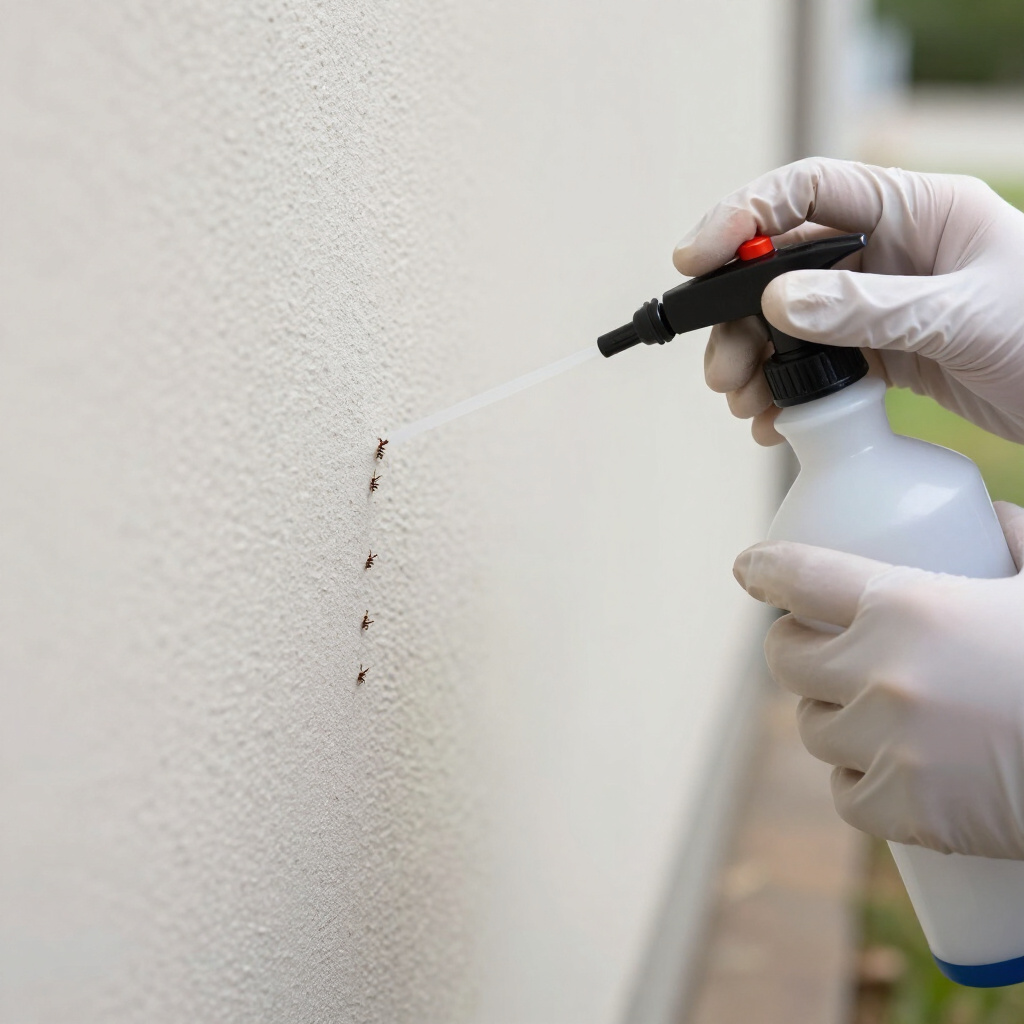

There's a certain pride that comes with handling home maintenance on your own. A leaky faucet? You've got the wrench. A squeaky door? Break out the oil. But when it comes to unwanted critters sharing your living space, knowing when to roll up your sleeves versus when to call in reinforcements can make all the difference between a quick fix and a full-blown infestation. Let's walk through the clear signals that it's time to pick up the phone and bring in a pest control professional.
When to Call a Pest Control Professional: The Warning Signs You Can't Ignore
Some pest problems announce themselves boldly—think of the cockroach skittering across your kitchen counter at midnight. Others lurk in shadows, causing damage before you ever spot the culprit. Knowing when to call a pest control professional starts with recognizing these telltale indicators.
Persistent activity despite your best efforts. If you've laid traps, sealed entry points, and kept a spotless kitchen yet still encounter regular pest sightings, you're likely dealing with a larger established population. DIY methods often address surface-level problems while missing nests, colonies, or hidden breeding grounds that professionals are trained to locate.
Signs of structural damage. Termite mud tubes along your foundation, carpenter ant frass resembling sawdust, or gnaw marks on wooden beams signal active destruction of your home's integrity. These scenarios demand prompt professional assessment—waiting only allows damage to compound and repair costs to escalate dramatically.
Unexplained health symptoms. Increased allergy flare-ups, unexplained bites, or respiratory issues in household members can indicate hidden pest activity. Bed bugs, rodent droppings, and cockroach allergens all pose genuine health risks that warrant expert identification and remediation.
Nocturnal noises and odors. Scratching in walls after dark, musty ammonia smells suggesting rodent urine, or the distinctive oily scent of cockroach aggregations point to established infestations in areas you cannot easily access or treat effectively on your own.
Situations Where DIY Approaches Fall Short
The internet brims with homemade remedies promising miraculous results. While some minor issues respond to diligent homeowner intervention, certain scenarios consistently overwhelm amateur efforts.
Large or widespread infestations. Spotting one mouse suggests several dozen hidden from view. Seeing multiple cockroach species indicates a mature, breeding population. When pests appear in multiple rooms or return repeatedly after treatment, the underlying problem exceeds what store-bought products can manage.
Protected or regulated species. Bats, certain birds, and even some bee colonies require specialized handling due to legal protections and ecological importance. Improper removal can result in fines, harm to beneficial populations, or dangerous encounters with defensive animals.
Chemical safety concerns. Misapplied pesticides endanger children, pets, and beneficial wildlife while potentially driving pests deeper into hiding. Professionals possess training in targeted application, proper dosing, and integrated pest management approaches that minimize chemical use while maximizing effectiveness.
Recurring seasonal problems. Ants that march through every spring, wasps that rebuild nests annually, or rodents that seek winter shelter suggest systemic vulnerabilities in your home's defense. Professionals identify and address these entry points and attractants, breaking the cycle rather than treating symptoms repeatedly.
Key Tips for Working Effectively With Pest Control Services
Once you've determined when to call a pest control professional, maximizing that investment requires thoughtful collaboration. Preparation and ongoing vigilance transform a single service call into lasting protection.
Document before you call. Capture photos of pests, damage, or droppings. Note when and where you observe activity. This documentation helps technicians identify species correctly and locate problem areas efficiently, leading to more precise treatment.
Ask thorough questions. Reputable professionals welcome inquiries about their methods, expected timeline, preparation requirements, and follow-up protocols. Understand whether they warranty their work, what that coverage includes, and how they handle persistent issues.
Follow preparation guidelines carefully. Most treatments require specific advance steps—removing pet food dishes, clearing under-sink areas, or temporarily relocating aquariums. These preparations protect your household and ensure chemicals reach intended targets rather than being absorbed by clutter.
Maintain the partnership. Effective pest management extends beyond the technician's visit. Implement recommended exclusion measures: seal cracks, repair screens, manage moisture, and store food properly. Schedule follow-up inspections as advised, especially for ongoing monitoring programs targeting termites or bed bugs.
Recognize red flags. Be wary of high-pressure sales tactics, quotes given without inspection, or promises of instant elimination for complex infestations. Quality professionals assess before proposing solutions and set realistic expectations about treatment timelines.
Final Thoughts
Deciding when to call a pest control professional ultimately comes down to protecting what matters most—your home's structure, your family's wellbeing, and your peace of mind. While independence serves homeowners well in many arenas, pest management rewards those who recognize their limits and act decisively before small problems become overwhelming crises.
The most successful approach combines your intimate knowledge of your home with professional expertise in pest behavior, treatment methods, and prevention strategies. By understanding the warning signs, respecting the limitations of DIY approaches, and partnering effectively with qualified technicians, you maintain control of your living environment without shouldering burdens better left to trained specialists.
Trust your observations, respect your instincts, and remember that calling for help isn't admitting defeat—it's making a smart, informed decision to protect your home with the right tools and knowledge for the challenge at hand.