

Pest Control Services in Claremont, CA
Claremont's unique position at the foothills of the San Gabriel Mountains creates distinct pest control challenges for homeowners and businesses. Known as the "City of Trees and PhDs," Claremont's mature landscaping, proximity to wildland interfaces, and mix of historic homes and modern developments attract a variety of pests seeking food, water, and shelter.
The Mediterranean climate with hot, dry summers and mild winters allows pests to remain active year-round. Ants, particularly Argentine ants and invasive species, trail through Claremont's established neighborhoods seeking moisture during drought periods. Termites pose significant threats to the city's many historic and wood-framed structures. Rodents exploit gaps in aging foundations and mature tree canopies to access attics and crawl spaces. Meanwhile, the nearby Angeles National Forest corridor brings wildlife pests, including raccoons, opossums, and occasional rattlesnakes, into residential edges.
Professional pest management in Claremont requires understanding these localized pressures. Integrated Pest Management (IPM) approaches work effectively here, combining targeted treatments with preventive exclusion and habitat modification. Whether you live near the Claremont Colleges district, in the tree-lined streets of the Village, or in newer developments toward the northern border, customized solutions address your specific pest pressures without unnecessary chemical applications.
Common Questions About Pest Control in Claremont
Why do I see more ants inside my Claremont home during summer months?
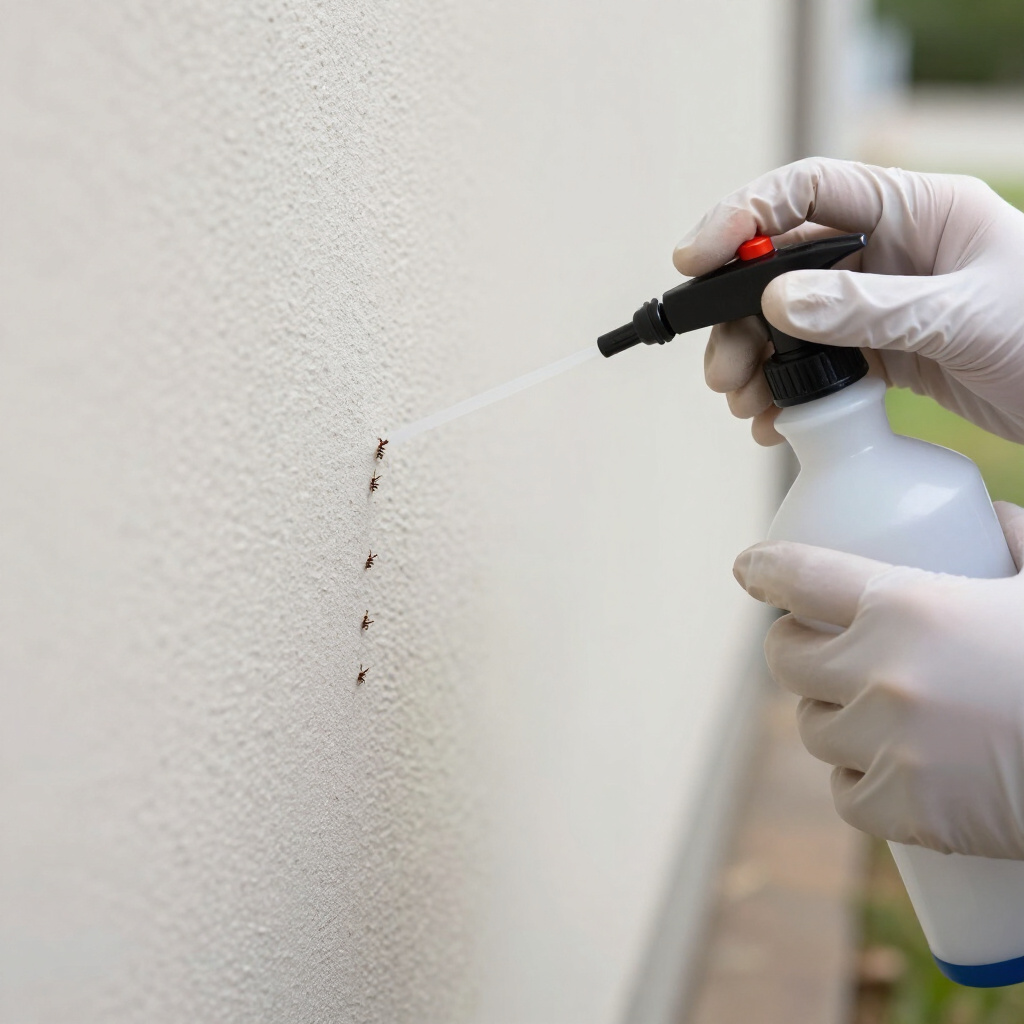
Ant activity spikes in Claremont from June through October when soil moisture drops and temperatures rise. Argentine ants, the most common species locally, establish super-colonies across neighborhoods and send foragers indoors seeking water and food. The city's mature irrigation systems and drought-stressed landscaping create ideal conditions for massive ant populations. Effective control requires treating exterior nesting sites and trail pathways, not just spraying visible ants. Baiting programs and perimeter barriers typically provide longer relief than interior treatments alone.
Are termites a serious concern for Claremont homes?
Termites represent one of the most costly pest threats in Claremont. Subterranean termites thrive in the region's sandy-loam soils, while drywood termites infest exposed wood in the area's many older and craftsman-style homes. The city's designation as a high-activity zone means untreated structures face substantial damage risk over time. Professional inspections every two to three years catch infestations early. Treatment options include soil-applied barriers, localized foams and injections, or whole-structure fumigation for severe drywood cases. Preservative treatments during construction or renovation provide lasting protection for new additions.
How do foothill proximity and wildlife corridors affect pest control?
Claremont's location where urban development meets chaparral and oak woodland creates ongoing wildlife interactions. Rodents, skunks, raccoons, and occasionally snakes move through greenbelt corridors and drainage channels into residential areas. Homes near Thompson Creek Trail, Padua Park, or the northern hillside neighborhoods experience higher wildlife pressure. Pest management in these zones emphasizes exclusion—sealing entry points larger than one-quarter inch, securing crawl space vents, and managing attractants like pet food, fallen fruit, and accessible garbage. Humane trapping and relocation may supplement prevention when animals establish denning sites in structures.