

Pest Control Services in Davis, CA
Davis sits at the heart of Yolo County's Sacramento Valley agricultural region, where warm summers, mild winters, and extensive greenbelt corridors create ideal conditions for persistent pest activity. The city's unique blend of suburban neighborhoods, UC Davis campus grounds, and surrounding farmland means residents face pest pressures from both urban and rural ecosystems.
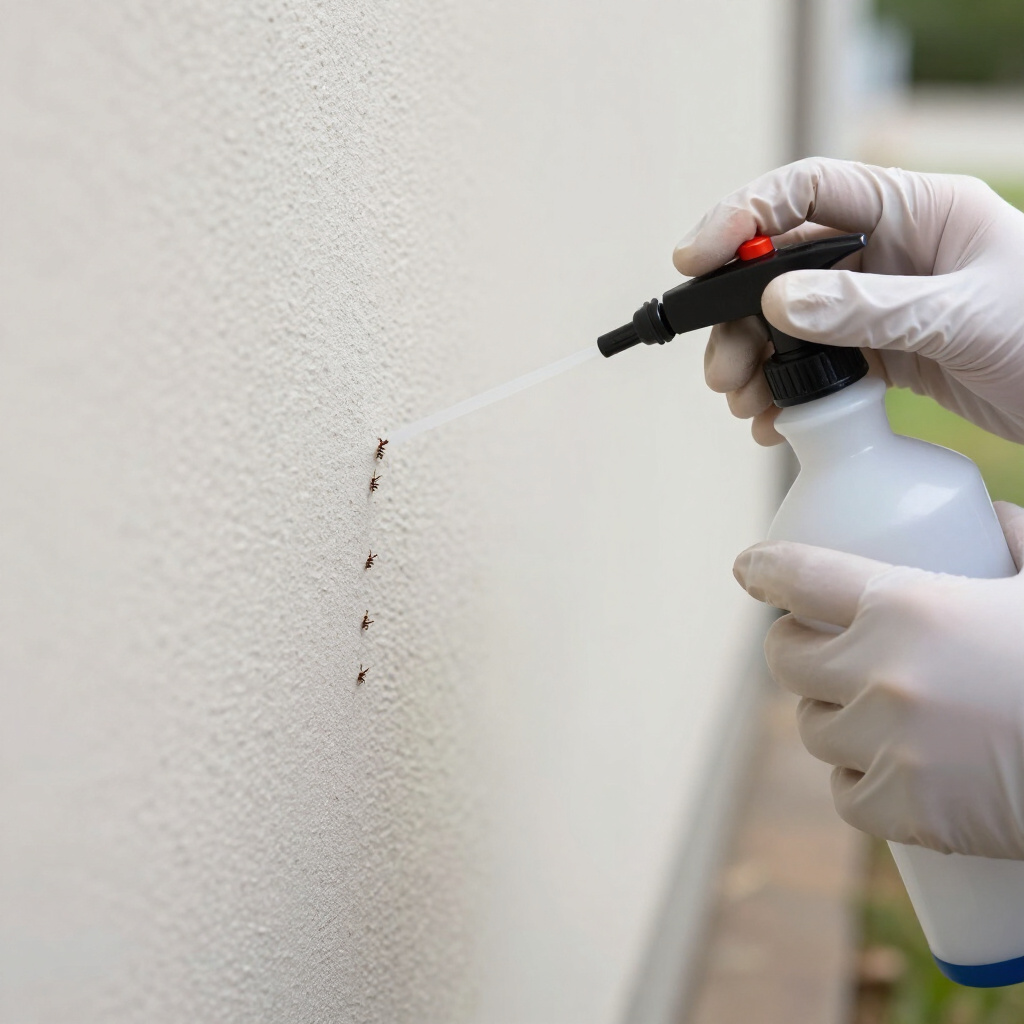
Ant infestations rank among the most common complaints throughout Davis, particularly Argentine ants that form massive supercolonies across residential areas. These invasive ants exploit the region's irrigation systems and seek moisture during dry summer months, often establishing trails through foundation cracks and along utility lines. Carpenter ants also pose structural concerns, especially in mature neighborhoods with established shade trees and wooden structures.
Spider populations flourish in Davis's garden-rich environment. Black widows favor undisturbed spaces like sheds, crawl spaces, and patio furniture, while orb-weavers and wolf spiders become conspicuous during late summer and fall. The city's commitment to pesticide-free parks and greenbelts, while environmentally beneficial, can inadvertently harbor spider populations that gradually encroach on adjacent properties.
Seasonal rodent pressure intensifies during harvest periods when field mice and roof rats disperse from surrounding agricultural operations. Davis's extensive network of tree-lined streets, backyard fruit trees, and composting programs provides abundant food sources and harborage. Older homes in the Old North Davis and El Macero areas face elevated risks due to mature landscaping and aging infrastructure.
Subterranean termites remain active year-round in Davis's moderate climate, with peak swarming typically occurring during spring warm spells following winter rains. The city's high water table and clay-heavy soils in certain neighborhoods create conducive conditions for termite colonies. WDO inspections prove essential during real estate transactions given the prevalence of wood-framed construction.
Bed bug resurgence affects Davis's rental market and student housing near campus, requiring specialized heat treatment protocols and coordinated multi-unit management strategies. German cockroaches occasionally emerge in dense housing complexes, while occasional invaders including earwigs, sowbugs, and millipedes seek refuge indoors during seasonal transitions.
Effective pest management in Davis demands integrated approaches that respect the city's environmental values while delivering measurable results. Treatment protocols must account for proximity to sensitive habitats including the UC Davis Arboretum, Putah Creek corridor, and numerous community gardens where conventional pesticide applications face restrictions.
Frequently Asked Questions
How does Davis's agricultural surroundings affect residential pest activity?
Surrounding farmland creates continuous pest pressure through seasonal crop cycles and harvest activities. Rodents, insects, and birds regularly disperse from agricultural fields into residential areas, particularly during plowing, harvesting, and fallow periods. Integrated pest management approaches that establish protective barriers around properties prove most effective for managing these migration patterns.
Are there special considerations for pest control near UC Davis campus housing?
Yes. University-adjacent properties often experience elevated bed bug risks due to high tenant turnover and international travel patterns. Multi-family housing near campus requires coordinated treatment approaches across units to prevent reinfestation. Additionally, proximity to research facilities and experimental fields may necessitate communication with university agricultural extension services regarding treatment timing and product selection.
What pest issues are unique to Davis's greenbelt neighborhoods?
Properties bordering the city's extensive greenbelt system face distinct challenges including elevated mosquito breeding in drainage corridors, increased wildlife encounters with raccoons and skunks, and higher spider populations supported by abundant insect prey. Ground squirrel and gopher activity frequently damages landscaping in these areas. Management strategies must balance effective control with preservation of the greenbelt's ecological functions and recreational uses.