
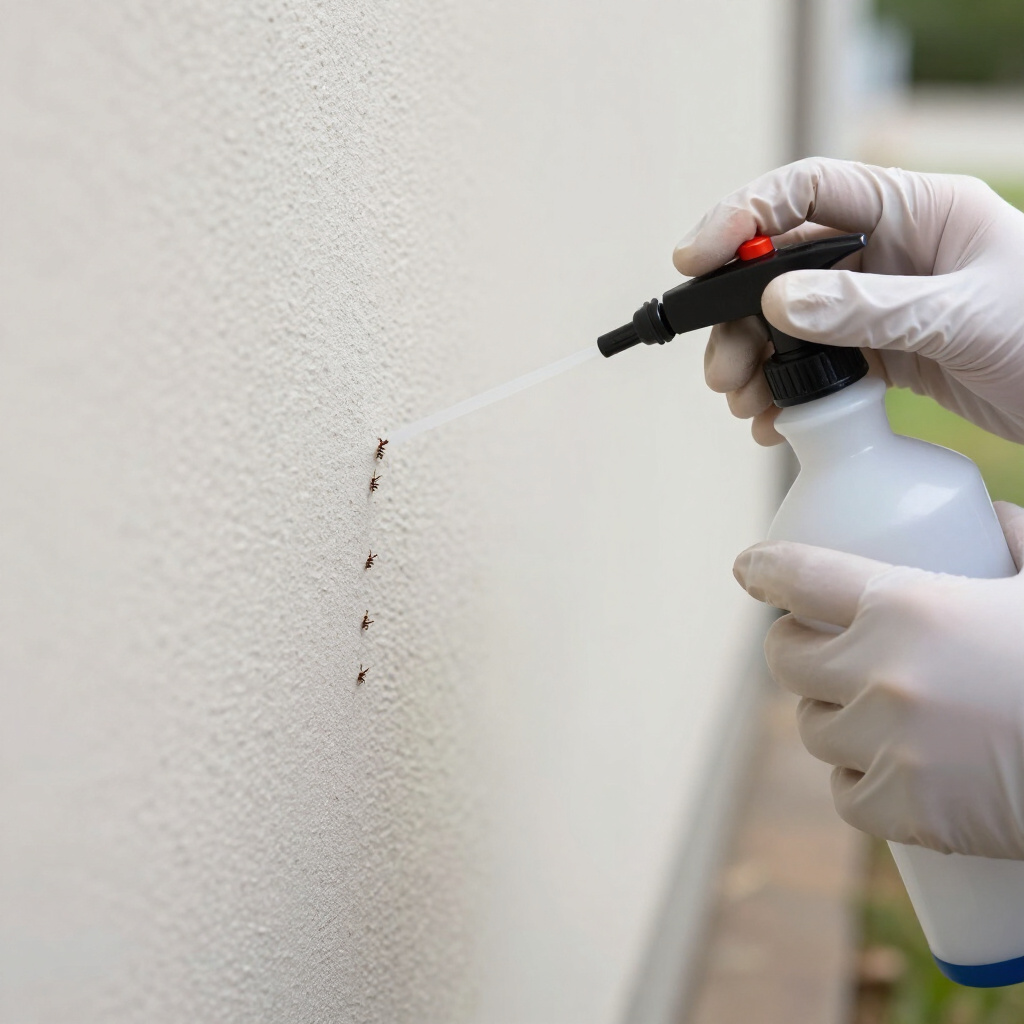

Pest Control Services in Fountain Valley, CA
Fountain Valley's suburban landscape—featuring established residential neighborhoods, commercial corridors along Harbor Boulevard, and proximity to the Santa Ana River—creates diverse pest pressure throughout the year. Warm Southern California temperatures and occasional moisture from winter rains sustain active populations of ants, spiders, rodents, and termites across Orange County communities.
Homeowners near Mile Square Regional Park and along the city's eastern edge frequently encounter Argentine ants trailing indoors during dry spells, while older neighborhoods with mature trees see increased spider activity including black widows in garage corners and outdoor storage. Subterranean termites remain a persistent threat to Fountain Valley's mid-century and newer construction alike, particularly where wood-to-soil contact exists or irrigation systems maintain damp conditions near foundations.
Commercial properties, including medical offices, retail centers, and restaurants along the busy Brookhurst and Edinger corridors, require vigilant pest management to maintain health department compliance and protect customer-facing reputations. Integrated pest management approaches emphasize exclusion, moisture control, and targeted treatments rather than blanket pesticide applications—critical considerations for healthcare-adjacent businesses in this community.
Seasonal patterns bring distinct challenges: spring swarms of drywood termites, summer surges in mosquito populations near standing water, fall rodent migrations seeking shelter, and winter ant invasions driven by rainfall. Professional pest control in Fountain Valley addresses these cyclical pressures with customized treatment plans calibrated to property type, surrounding environment, and specific pest pressures identified during thorough inspections.
Frequently Asked Questions About Pest Control in Fountain Valley
What pests are most common in Fountain Valley homes?
Argentine ants dominate indoor complaints year-round, with peak activity during hot, dry summer months and following winter rains. Black widows and cellar spiders frequent garages, sheds, and outdoor fixtures. Subterranean termites threaten structural integrity across all construction eras. Roof rats and house mice exploit aging infrastructure and fruit trees common in established neighborhoods. German cockroaches appear periodically in multi-unit housing and commercial kitchens. Mosquitoes breed in unmaintained pools, clogged gutters, and ornamental water features, particularly during warmer months.
How does Fountain Valley's location affect pest activity?
Proximity to the Santa Ana River corridor provides continuous wildlife and insect migration pathways into residential areas. The river's riparian habitat supports opossums, raccoons, skunks, and their associated parasites. Coastal influence moderates temperatures, extending active seasons for many pests compared to inland Orange County cities. Mile Square Park's open water and landscaping concentrates bird, rodent, and mosquito populations nearby. Freeway corridors (405, 22) create disturbed-edge habitats where pests thrive and disperse into adjacent neighborhoods.
Are termites a serious concern in Fountain Valley?
Yes. Orange County ranks among California's highest-risk regions for subterranean and drywood termite damage. Fountain Valley's combination of favorable climate, established housing stock, and irrigation-maintained soil moisture creates ideal conditions for Formosan and western subterranean termite colonies. Drywood termite swarmers emerge annually, often mistaken for flying ants. Professional inspection using moisture meters, probing tools, and thermal imaging identifies concealed infestations before extensive damage occurs. Fumigation, local treatments, and preventative soil barriers each address different termite scenarios based on species confirmation and extent of colonization.
What should commercial properties know about pest control compliance?
Fountain Valley businesses fall under Orange County Health Care Agency jurisdiction, requiring documented pest control programs for food service, healthcare, and hospitality operations. Licensed pest management professionals must maintain service logs, bait station maps, and pesticide application records for inspector review. Proactive programs prevent closure risks from cockroach, rodent, or fly violations. Integrated pest management documentation increasingly satisfies corporate sustainability requirements and LEED building standards. Medical and senior care facilities face additional scrutiny regarding pesticide selection and application timing to protect sensitive populations.
How often should Fountain Valley properties receive pest control service?
Residential maintenance programs typically schedule bi-monthly exterior perimeter treatments as baseline prevention, adjusting to monthly during peak seasons or quarterly for minimal-activity properties. Active infestations require intensive initial service with follow-up visits until elimination is confirmed. Commercial food service operations generally need weekly or bi-weekly service. Termite monitoring stations warrant annual inspection, with treatment warranties requiring continued protection plans. Properties near greenbelts, water features, or with history of specific pest issues benefit from customized frequencies rather than standardized schedules.