
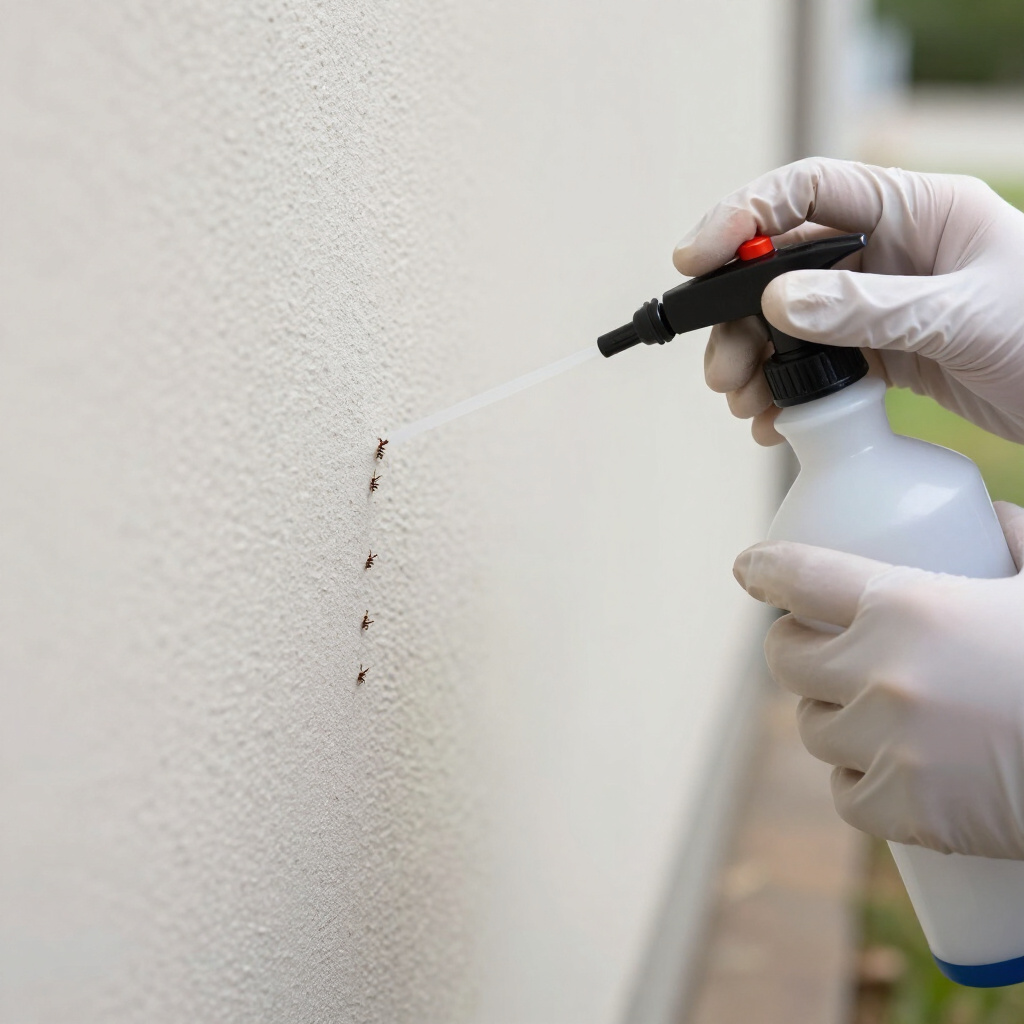

Pest Control Services in Manhattan Beach, CA
Manhattan Beach combines coastal charm with upscale residential neighborhoods, creating unique pest control challenges along the South Bay coastline. The oceanfront climate, sandy soil conditions, and mix of historic homes and modern developments require specialized approaches to keep properties pest-free year-round.
Our technicians understand how Manhattan Beach's microclimate affects pest behavior. The marine layer brings consistent moisture that attracts termites and ants, while beachfront proximity means increased spider and rodent pressure in properties near The Strand. Highland Avenue and the areas east of Sepulveda face different concerns with gophers and mosquitoes thriving in irrigated landscaping.
We provide comprehensive pest management for Manhattan Beach homes, from the Hill Section's canyon-adjacent properties to the Tree Section's family neighborhoods and the Sand Section's oceanfront residences. Each area receives customized treatment protocols based on specific environmental factors and construction types common to that zone.
Commercial properties along Manhattan Beach Boulevard and in the downtown village area benefit from discreet, scheduled service that maintains pest-free environments without disrupting customer experiences. Restaurants, retail shops, and professional offices all receive tailored programs addressing their particular regulatory requirements and operational needs.
Common Pest Control Questions for Manhattan Beach Homeowners
What pests are most common in Manhattan Beach?
Argentine ants, subterranean termites, and Pacific brown widow spiders rank among the most frequently encountered pests. The coastal moisture supports robust ant colonies year-round, while termites thrive in the humid soil conditions. Roof rats and Norway rats become particularly active in fall and winter, seeking shelter in attics and crawl spaces. Gophers damage lawns and gardens extensively in the eastern sections with more expansive yards.
How does living near the beach affect pest control needs?
Oceanfront properties experience higher salt air corrosion on building materials, creating entry points for pests. The consistent moderate temperatures mean fewer seasonal die-offs, so pest populations remain active longer throughout the year. Sand accumulation around foundations provides harborage for certain species. We use corrosion-resistant materials and adjust treatment frequencies to account for these coastal conditions, typically recommending quarterly service rather than the standard bi-annual approach used inland.
Are pest control treatments safe for homes with children and pets?
Absolutely. We prioritize low-toxicity, targeted applications that minimize exposure risks. Our technicians use precision equipment to apply products only where needed—crack and crevice treatments, bait stations in locked containers, and exterior perimeter barriers rather than broad indoor spraying. We provide specific re-entry timing guidance and can implement organic or botanical options upon request for families with particular sensitivity concerns.
When should Manhattan Beach homeowners schedule termite inspections?
Annual termite inspections are essential given the area's high termite pressure. Real estate transactions also require Wood-Destroying Organism reports. Spring swarming season brings visible evidence, but damage occurs year-round. Homes with stucco exteriors, common in Manhattan Beach construction, can conceal infestations until significant damage develops. We recommend proactive monitoring systems for properties with previous termite history or those in high-risk zones near the beach or canyon edges.
What should I do about gophers destroying my lawn?
Gophers plague many Manhattan Beach properties, particularly those with established landscaping and irrigation systems. Trapping provides the most reliable long-term solution compared to repellents or fumigants that offer temporary relief. Our technicians identify active tunnel systems and set professional-grade traps for efficient removal. After elimination, we recommend gopher-resistant plant selections and proper irrigation management to make your property less attractive to new colonizers moving in from adjacent open spaces.