
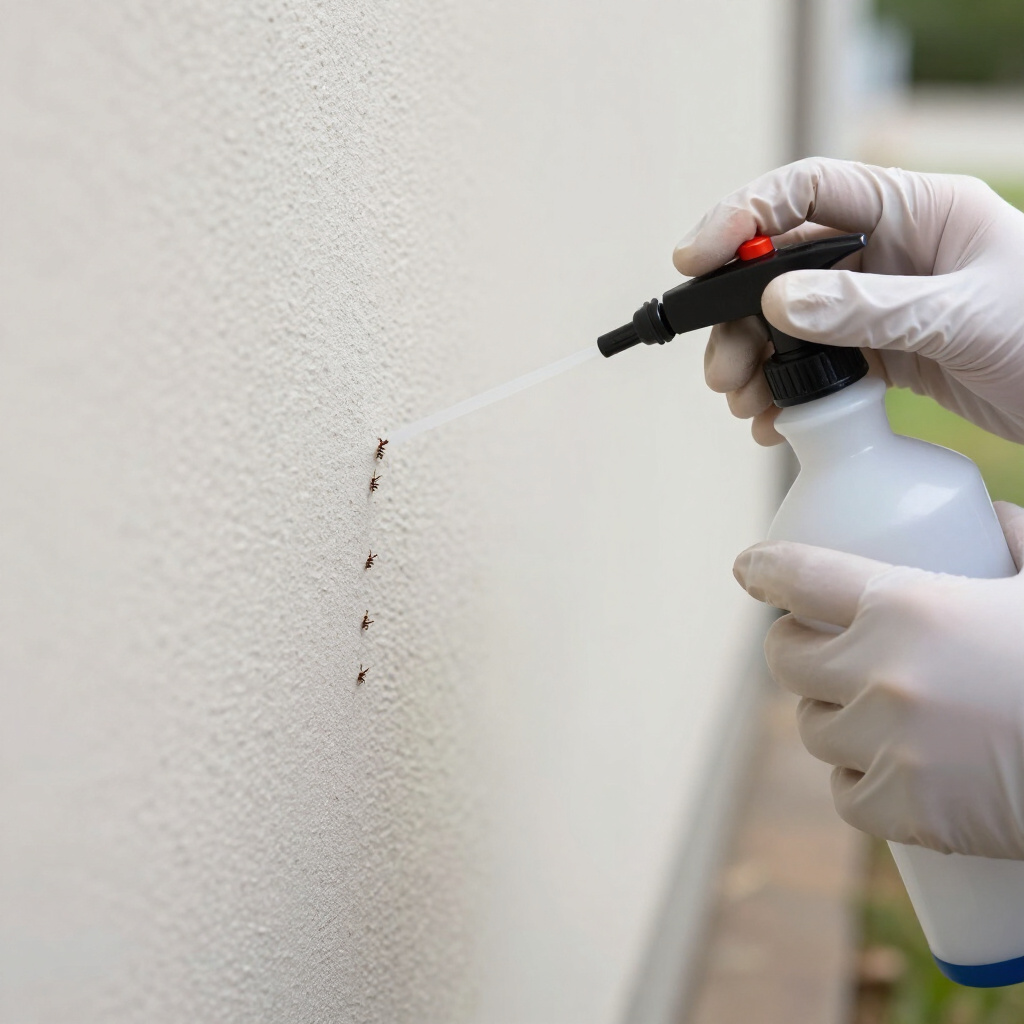

How to Choose a Pest Control Professional in San Jose
Finding the right pest control provider in San Jose means looking beyond just price. Santa Clara County's Mediterranean climate creates unique pest pressures throughout the year, from dry-season ant invasions to winter rodent shelter-seeking. Here's what to prioritize when evaluating local professionals.
Verify proper licensing. California requires pest control companies to hold a Branch 2 or Branch 3 license from the Structural Pest Control Board. Any technician applying restricted-use pesticides must carry a Qualified Applicator Certificate. Ask for license numbers and confirm them through the state's online verification system.
Understand local pest patterns. San Jose's urban-wildland interface means professionals here routinely handle issues less common in pure suburban settings: roof rats traveling from creek corridors, Argentine ants exploiting the mild winters, and occasional wildlife encounters in hillside neighborhoods near Almaden Valley or Evergreen. Experience with these specific pressures matters more than generic national brand recognition.
Evaluate integrated pest management commitment. Santa Clara County promotes IPM approaches, particularly near water resources like Guadalupe River and Coyote Creek watersheds. Reputable providers emphasize inspection, exclusion, and targeted treatments rather than routine perimeter spraying. Ask how they handle pest identification before treatment selection.
Request neighborhood-specific references. Pest pressures differ significantly between downtown San Jose's older housing stock, the newer construction in Berryessa, and the mature landscaping of Willow Glen. A provider with established routes in your specific area will respond faster and understand recurring seasonal patterns.
What to Expect from Pest Control Services in San Jose
Most professional engagements follow a structured process adapted to California's regulatory environment and San Jose's building diversity.
Initial inspection. Technicians examine exterior entry points, moisture conditions, landscaping interfaces, and interior activity signs. In San Jose's older neighborhoods like Naglee Park or Hanchett Park, this includes checking for foundation gaps common in pre-1950s construction. Newer developments may focus more on construction-related vulnerabilities and irrigation system leaks attracting pests.
Treatment plan presentation. You receive a written proposal detailing target pests, methods, products by EPA registration number, preparation requirements, and scheduling. California law mandates disclosure of any restricted-use materials. The plan should specify whether follow-up visits are bundled or billed separately.
Service execution. Interior treatments typically require resident preparation: removing pet food, covering aquariums, and vacating during application. Exterior work around San Jose's frequent drought-tolerant landscaping may involve careful placement to avoid beneficial pollinators attracted to native plantings. Technicians should document conditions that need correction—damaged vent screens, wood-soil contact, or excessive mulch against foundations.
Follow-up and monitoring. Rodent programs especially require multiple visits for trap checking and entry point sealing. Many San Jose providers offer quarterly maintenance for persistent ant or spider issues, with between-visit callbacks included in annual agreements.
Available Pest Control Services
San Jose residents and property managers can book specialized services addressing the region's most prevalent issues:
- Ant control — Argentine ants dominate, but native harvester ants and occasional carpenter ant colonies in moisture-damaged wood require different approaches
- Rodent management — Roof rats and house mice, with exclusion work critical in areas adjacent to open space
- Termite services — Both subterranean and drywood termite inspections and treatments, with fumigation or localized alternatives
- Spider reduction — Black widows in undisturbed areas, cellar spiders, and outdoor orb-weavers near lighting
- Wasp and bee removal — Yellowjacket ground nests, paper wasp colonies, and honeybee relocation when possible
- Bed bug treatment — Heat remediation or conventional approaches for multi-unit buildings and single-family homes
- Wildlife exclusion — Raccoons, skunks, and opossums in crawl spaces or attics, with humane trapping and sealing
- Commercial pest management — Customized programs for restaurants, healthcare, and tech campuses with food service
- Pre-construction termite pretreatment — Required for new builds and additions in designated termite zones
Frequently Asked Questions
How often should San Jose homes receive pest control service?
Most properties benefit from quarterly exterior maintenance given the year-round activity in Santa Clara County's mild climate. Homes with prior rodent issues, near open space, or with mature fruit trees may need monthly visits during peak seasons.
Are pest control treatments safe around children and pets?
Modern applications use targeted placement and lower-toxicity formulations, but California regulations require specific re-entry intervals. Reputable providers detail these timelines and can adjust methods for households with infants, pets, or respiratory sensitivities.
Why do ants keep returning to my San Jose home?
Argentine ants form massive supercolonies throughout the Bay Area. Eliminating visible trails rarely addresses the broader network. Effective control requires locating and treating nesting sites, often involving neighboring properties, plus eliminating honeydew sources from aphid-infested plants.